Concept design by Vidal Studios. Not a real business.Concept design by Vidal Studios See all samples
A dark panelled boardroom at dusk, a brass lamp on the table and a city skyline in the window

Commercial and corporate counsel

Straight answers.
Fees agreed in writing.

We act for owners, founders and landlords on contracts, commercial disputes and property. One attorney owns your file, and the cost is settled before anyone starts a clock.

A low stone office building at dusk with warm light in a few windows

How we are built

A small firm,
deliberately.

Three attorneys, a paralegal team, and a limit on how many matters we take at once. The attorney you meet in the first meeting is the attorney who runs the file — and the one who answers when the other side calls.

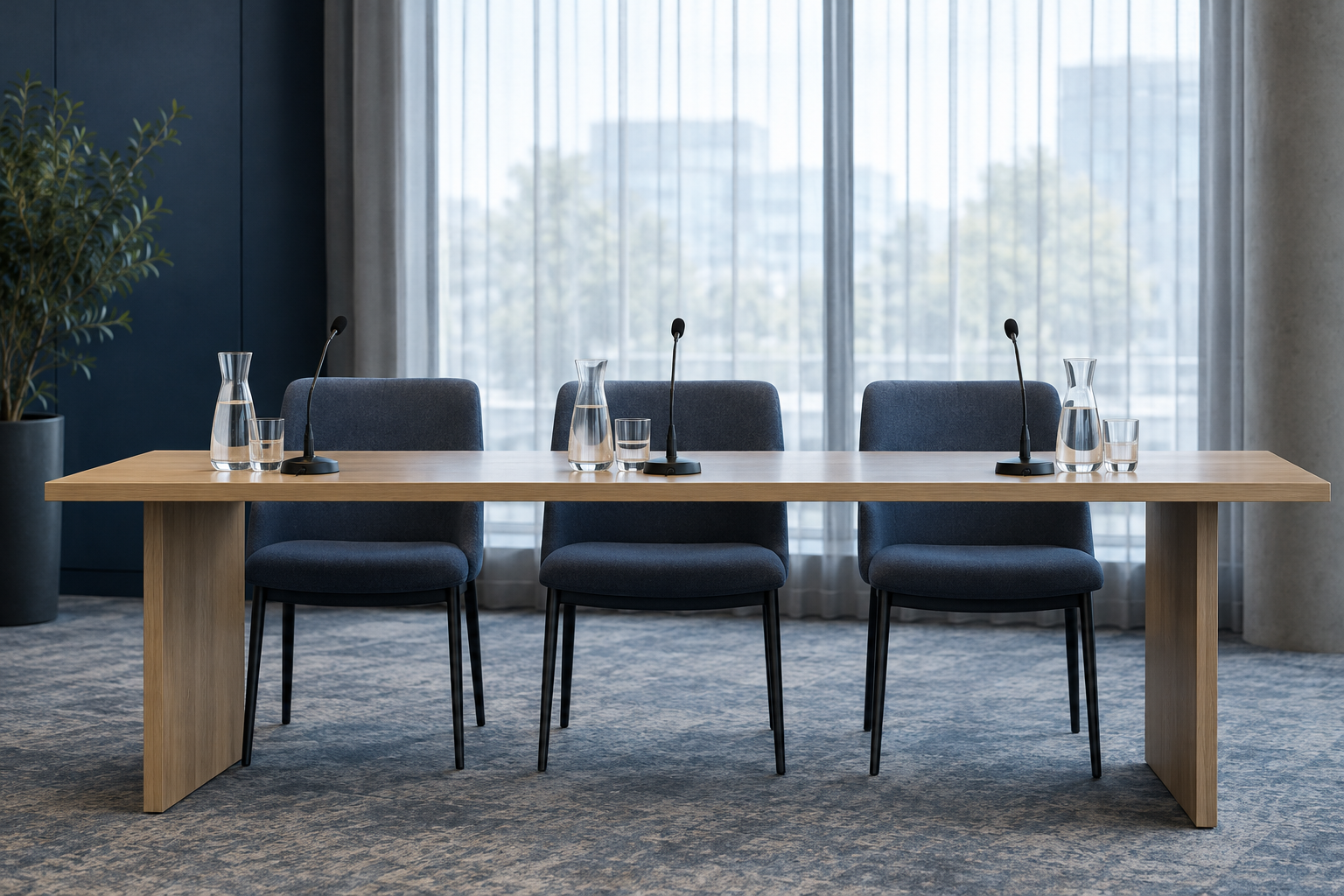
An empty mediation room at dusk, a round table with folders and water glasses

Disputes

Most commercial disputes
never reach a hearing.

They end at a mediation table, which is usually the cheapest place for them to end. The band below sets out each stage, the weeks it takes and what we charge for it, before you commit to anything.

How a matter runs

A commercial dispute, week by week

Every fixed fee we quote is priced against stages like these. The weeks are honest averages from our own files, not a promise — and the fifth row is what a lease review looks like instead.

Week 0–1

Letter before action, and a costed plan

We read the contract and the paper trail, then send a letter before action. You get a written scope, the fee basis, and a straight read on whether the claim is worth running at all.

Weeks 2–5

Statements, documents and disclosure

Pleadings are filed and both sides exchange documents. This is the expensive middle, and it is mostly paralegal hours — which is exactly why those hours are billed at a lower rate than partner time.
Weeks 6–10

Mediation — where four in five end

We prepare the position paper and sit in the room with you. Roughly four in five commercial disputes settle here, so a fixed fee quoted for the matter includes this stage rather than treating it as an extra.
Weeks 11–16

Listing, hearing and enforcement

If mediation fails we prepare the hearing bundle and, if you win, the enforcement step. This is the stage we can least predict, and the fee agreement says so in writing instead of pretending otherwise.
5–8 working days

A lease review, for contrast

A retail or office lease comes back marked up within five to eight working days for a fixed fee: rent review, break clauses, repairing liability, permitted use. No hourly meter on a document we have read a hundred times.
A fountain pen resting on a signed document under a desk lamp

How we bill

The fee is agreed before the work starts.

Fixed fee, hourly or on retainer — the table below sets out what each one costs for the same three matters, and where each one is the wrong answer. If the scope changes mid-matter we stop, re-quote, and you decide whether to carry on. No work continues on a number you have not seen.

Sectors

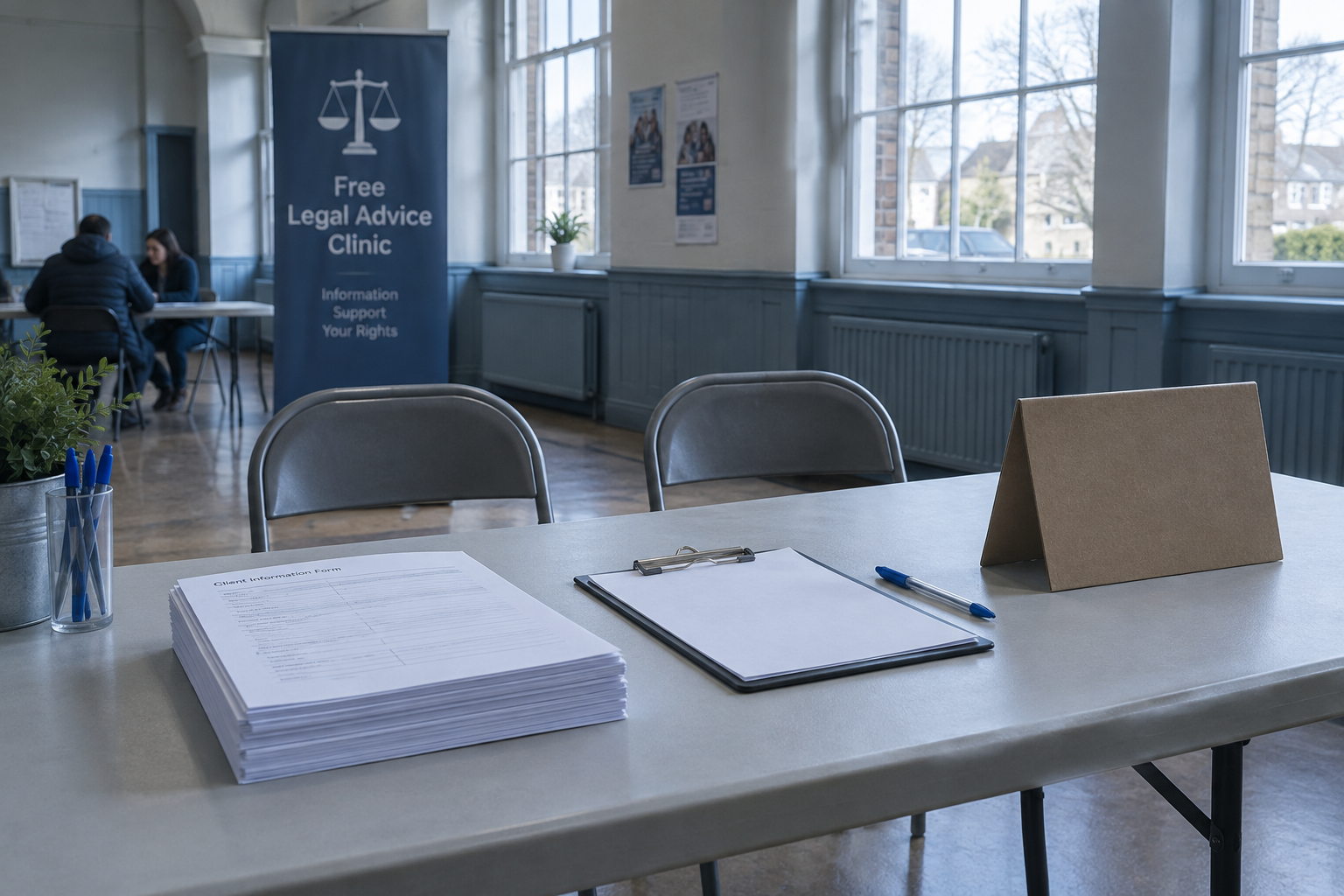
Where we do, and do not, act

The work repeats: the same lease clauses, the same supply terms, the same shareholder rows. Where we have no depth we say so and refer you on.

Haulage and logistics

Owner-driver contracts, subcontract terms, and disputes over damaged or late consignments.

Retail and hospitality

Unit leases, fit-out contracts, licensing, and the occasional stand-off with a landlord over a renewal.

Construction and trades

JCT and bespoke subcontracts, payment terms, retention, and the adjudication clock once someone stops paying.

Software and agencies

Master service agreements, statements of work, IP assignment, and the exit clause nobody reads until they need it.

Farms, land and property

Farm business tenancies, agricultural tie properties, boundaries, and getting a succession plan on paper.

What we decline

Criminal work, family law, personal injury and immigration. We refer those to firms that do them every week.

Fees

Three fee models, the same three matters

Indicative figures for this concept site. The point is not which column wins — it is which one fits the shape of your matter, so each column also says where it is the wrong choice.

Fixed fee

$1,450for a lease review
A number agreed before we open the file, quoted per matter rather than per hour.

Hourly

$340an hour, partner time
Associates $260, paralegal time $145, recorded in six-minute units and itemised monthly.

Retainer

$2,400a month, drawn down
A monthly draw-down for businesses that send work regularly. Unused time rolls over for one month.
Lease review, retail or office unit$1,450$1,700–$2,600Included, up to 8 hours
Commercial dispute through mediation$6,500$9,000–$14,000$4,500 a month, drawn down
Company formation and founder documents$1,200$850–$1,400Included
Best whenThe scope is knowable and you need a number you can budget against todayThe matter is genuinely open-ended and you would rather we stop when it is doneContracts, employment letters and landlord questions arrive often enough to plan for
The honest trade-offIf the scope grows we stop and re-quote, so a badly drafted contract can still cost moreThe meter runs while we wait on the other side, and a hostile opponent can spend your money for youYou pay every month, including the quiet ones, so it only pays off above about six hours a month
Who carries the riskUs. A matter that runs long is our problem, not a larger invoiceYou, which is why we cap the estimate in writing wherever the matter allowsShared. Below six hours a month you are buying availability you did not use
Ask for a fixed quoteAsk for an estimateAsk about a retainer

The team

The three people who do the work

Names, faces and what each one actually handles. No business-development partners and no rotating associates.

Frances Marsh

Managing partner · commercial disputes and contracts

Twenty-two years in commercial litigation, the last nine in mediation-led dispute work. Takes the matters that are likely to settle, and says so when one will not.

Daniel Hale

Partner · real estate, leasing and development

Acts for landlords and tenants on retail and office leases. Marks up a unit lease in five working days and will tell you which of the landlord’s terms are worth a fight.

Amara Okafor

Counsel · corporate, governance and compliance

Formations, shareholder agreements and the unglamorous paperwork that stops a founder argument turning into a dispute. Previously in-house at a logistics group.

Questions

What people actually ask on the first call

Who actually does the work?

Whichever attorney you meet is the one who runs the file. On large disclosure exercises our paralegal team does the document review, at the paralegal rate, but the advice is not delegated to someone you have never met.

What should I bring to the first meeting?

The contract, lease or correspondence, and any dates that matter — deadlines, renewal windows, hearing dates. If you have none of it, come anyway: a first conversation is where we work out what there is.

Do you take no-win-no-fee or legal-aid work?

No. We quote a fixed fee, an hourly rate or a retainer, and the fee table above shows what each one costs for the same three matters. Where a matter really needs a conditional fee arrangement, we will refer you to a firm that offers one.

What if you already act for the other side?

Then we cannot act for you, if the two matters conflict in fact or in law. Conflicts are checked before the first meeting, and if one turns up we will tell you straight away and refer you on rather than sit on it.

How confidential is an enquiry?

What you tell us before we are instructed stays confidential, but no attorney–client relationship exists until we have both signed the engagement letter. Please do not put sensitive documents into the enquiry form.

Do you act outside the region?

Yes. Courts and filings have been largely electronic for years, so we run matters across Illinois and appear in the federal district courts. Where a matter needs someone on the ground elsewhere, we instruct local counsel and stay responsible for the file.

Enquiries

Tell us what is actually going on

A paragraph is enough. We will say whether it is our kind of matter, what it is likely to cost and who would run it — before anyone opens a file.

This is a concept design by Vidal Studios, so nothing reaches a real firm.